
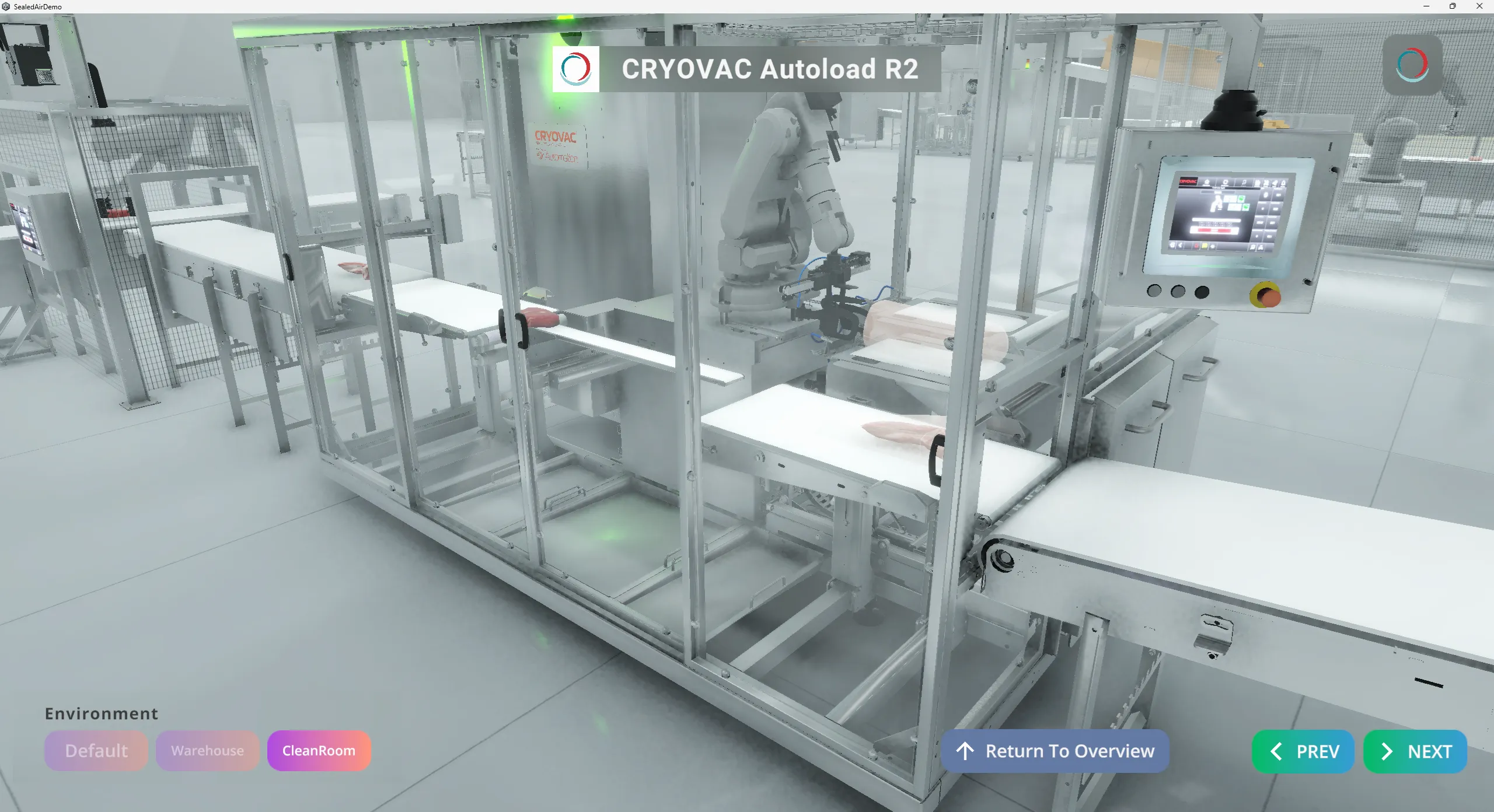
Best Practices
Engagement Techniques: Utilize interactive elements that allow users to manipulate the visualization. This enhances user engagement and makes learning more effective.
Consistency in Training: Establish a standardized training module utilizing 3D visualizations, ensuring all team members receive uniform information.
Analytics and Feedback: Regularly gather user analytics and feedback to refine visualization content and methodology for better educational outcomes.
Enhancing Engineering Training with Immersive 3D Visualization By integrating cutting edge interactive, realistic 3D VR with the latest technology in advanced visualization tools, we enable an immersive experience that could be as effective as reality. Assessment of STEM e-Learning in an immersive virtual reality (VR) environment, 2016

Recommended Tools
Real-Time 3D Technology: Platforms that allow immediate rendering, providing visualizations that can adapt dynamically during presentations.
Digital Twin Technology: Tools that create highly accurate simulations of real-world counterparts, enhancing the realism of training scenarios.
Web 3D Product Showcase: Online platforms that allow companies to host interactive models accessible to remote clients and audiences.
Relevant Case Studies
SuperBot Industrial's Case Study: Demonstrated increased product understanding among clients as users interacted with dynamic models.
Trade Show Engagement Examples: Exhibitors reported higher foot traffic and interaction rates when using interactive displays compared to static displays.
Quantifiable Metrics of Success: Analysis showed a significant increase in "lead conversion rates" attributable to the immersive visual experiences provided at events.
Why Choose Interactive 3D Machine Models for Engineering Visualization?
Design Clarity: Users can view machines from multiple angles, gaining insights into design intricacies that static images fail to convey.
User Engagement Improvements: The interactive nature keeps users engaged longer than traditional methods, which can boost learning and retention.
Training Efficiency Boosts: Hands-on interaction with models facilitates quicker learning cycles, reducing training time and costs, while ensuring user comprehension.
How Photo-Real Rendering Boosts Industrial Sales and Marketing Impact
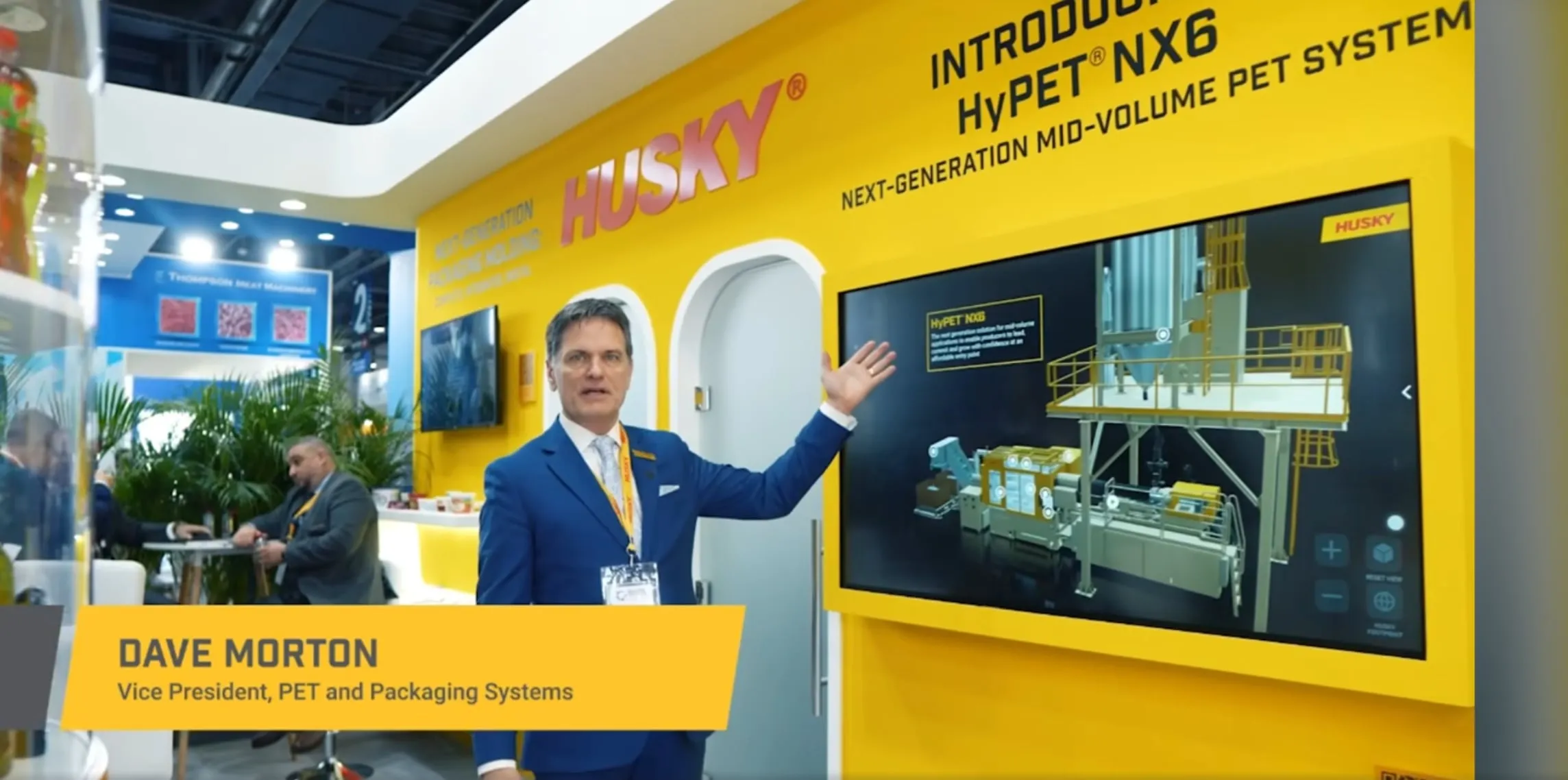
Enhanced Customer Engagement: Customers are more likely to engage with visually appealing and interactive content, creating a more impactful first impression.
Improved Understanding of Product Features: Detailed 3D representations help clients understand the specifications and functionalities of complex machines better than standard images.
Cost Reduction via Interactive Demos: Virtual demos reduce the need for travel and physical prototypes, saving costs while providing potential clients with the clarity they need.
Visualization Tool | Key Feature | Benefit |
|---|---|---|
Interactive 3D Model | Realistic User Interface | Enhances comprehension |
Photo-Real Rendering | High Detail | Boosts marketing appeal |
Simulation Tool | Dynamic Interactivity | Improves training efficiency |
What Makes Interactive 3D Models Essential in Modern Engineering Workflows?
Cost-effectiveness and Scalability: 3D models can be easily scaled and modified, allowing for adjustments without significant additional costs.
Accelerated Sales Cycles: The ability to present products in an engaging format leads to quicker decision-making by clients, thereby shortening sales cycles.
Trade Show Engagement Advantages: Interactive displays attract more visitors and potential clients, providing opportunities for direct interaction with products.
How Do Industrial Machine Virtual Prototypes Streamline Engineering and Training?
Accelerated Training Processes: Training programs utilizing virtual prototypes see a reduction in time spent on each session due to more engaging content.
Improved Knowledge Retention: Interactive models facilitate better retention of information, as users actively engage with learning materials.
Cost Reduction in Prototypes: Creating virtual prototypes significantly cuts down on materials and labor needed for physical prototypes, enhancing overall budget efficiency.
How Digital Twins Transform Training Efficiency with Realistic 3D Visualization
Realism and Engagement Enhancements: Learners benefit from realistic simulations that mimic real-world scenarios, promoting deeper learning experiences.
Cost and Time Savings: By using digital replicas, firms can save on the costs associated with physical training environments.
Consistency in Training Delivery: Digital twins ensure a consistent training experience across different teams and locations, supporting uniformity in employee training.
What Are the ROI Benefits of 3D Industrial Product Demos in OEM Sales?
Increased Conversion Rates: Interactive demos have proven to lead to higher conversion rates, as potential buyers exhibit greater interest when engaging with dynamic content.
Reduced Costs in Traditional Demo Methods: By minimizing the reliance on physical demonstrations, companies can save on logistics and setup costs.
Faster Decision-Making: Comprehensive visualizations enable quicker understanding and assessment of products, facilitating faster client decision-making.
Which Features Define Leading Photo-Real 3D Rendering Software for Industrial Use?
Real-Time Rendering: Software that offers real-time capabilities can significantly enhance presentation dynamics.
User Interactivity: The ability for users to engage with the model adds a layer of immersion that static images cannot provide.
Multi-Device Compatibility: Solutions that work across various devices ensure accessibility for a broader range of users and platforms.
How Real-Time Interactive Rendering Enhances Trade Show Demonstrations
Cost Reduction in Logistics: Fewer physical products need to be transported, reducing overall logistics costs for demonstrations.
Enhanced Attendee Engagement: Interactive elements keep attendees engaged, increasing the likelihood of meaningful interactions.
Data-Driven Insights: Real-time feedback mechanisms allow companies to gather valuable data on user interactions, informing future strategies.
What Integration Capabilities Support Engineering Workflow Automation?
Ease of Integration with Current Systems: Streamlined integration processes ensure minimal disruption and quick implementation.
Multi-Platform Deployment: Flexibility in deployment enhances accessibility across different organizational systems.
Analytics Capabilities: Inbuilt analytics can track usage and effectiveness, aiding continuous improvement.
How to Unlock Maximum Value from Photo-Real Industrial Visualization Solutions?
Emphasize User Interactivity: Prioritize interactive elements in visualizations to keep users engaged and provide a more comprehensive understanding.
Continuous Updates and Improvements: Regularly updating 3D models to reflect current products ensures ongoing relevancy and accuracy.
Data Analytics Utilization: Leverage analytics gathered from users to continually refine presentations and improve outcomes.
Proven Use Cases Combining Sales, Training, and Engineering Benefits
Successful Implementations: Organizations reporting enhanced sales outcomes through engaging visualized presentations.
Industry-Specific Examples: Aerospace companies utilizing 3D models to train engineers, significantly reducing onboarding time.
Measurable Outcomes: Clear metrics demonstrating increased engagement and conversion rates attributed to advanced visualization techniques.
Which Steps Ensure Seamless Adoption and Measurable Performance Gains?
Clear Discovery and Scoping: Defining goals and outcomes helps streamline the adaptation process and align company efforts.
Effective Training for Staff: Equipping employees with knowledge and skills regarding the new tools ensures better integration.
Ongoing Monitoring and Updates: Regularly assessing the effectiveness of visualizations fosters continuous improvement and adaptability.