Digital Interactive 3D Applications for Industrial Machinery: Ignite Engagement and Drive Sales Now

By Chan Park, SuperBot Industrial

Digital interactive 3D applications represent a revolutionary approach in the marketing of industrial machinery, transforming how companies engage with clients and showcase complex products. These sophisticated visual tools allow potential customers to interact with 3D models of machinery, enhancing their understanding and interest. In this article, we will explore the intricacies of interactive 3D visualizations, discussing their impact on marketing, lead generation, training, and trade show engagement. By addressing the primary mechanisms of these applications, we provide a roadmap for how businesses can leverage them for better customer engagement.

What Are Interactive 3D Visualizations and How Do They Transform Industrial Machinery Marketing?

Interactive 3D visualizations are digital representations of machinery that allow users to interactively manipulate and explore features from various angles. This engagement functions as an innovative marketing strategy that enhances customer understanding of machine capabilities. By utilizing this technology, companies can present their products more effectively, addressing potential concerns and queries directly on the visualization interface. The ultimate benefit is increased customer interest, leading to a higher likelihood of conversion from views to actual sales.

How Do 3D Models Boost Machinery Demo Requests and Lead Generation?

3D models play a crucial role in increasing requests for machinery demonstrations and enhancing lead generation efforts. When customers can visualize and interact with machinery in a detailed and engaging format, they are more likely to express interest and request further information or live demos. Interactive models allow potential buyers to evaluate features and applications in a way traditional brochures or static images cannot. This visual engagement has proven to enhance customer commitment, significantly increasing demo request rates.

Why Choose Interactive 3D Over Traditional Product Demos?

Choosing interactive 3D applications over traditional product demos presents numerous advantages. For one, interactive 3D tools often lead to higher levels of customer engagement compared to traditional methods. They are not only more cost-effective in the long term but also offer a scalable solution for showcasing various products without the need for physical prototypes. Furthermore, interactive demonstrations effectively communicate product features that are complex, increasing the clarity and value proposition for potential buyers.

How Do Interactive 3D Applications Supercharge Industrial Training and Workforce Readiness?

Interactive 3D applications also significantly enhance industrial training programs. By tapping into the immersive capabilities of 3D technology, trainees can engage with their learning material in a hands-on manner, developing a deeper understanding of machinery and its operational processes. This approach enables workers to experience realistic scenarios and practice critical skills without the risk of accident or injury. Ultimately, such training tools contribute to improved workforce readiness and increased safety on the job.

What Software Features Power Cutting-Edge 3D Simulation Applications for Industry?

The effectiveness of 3D simulation applications largely depends on their underlying software features. Key functionalities typically include intuitive user interfaces, realistic physics simulations, and multi-device compatibility. Advanced features such as virtual reality integration, real-time rendering, and comprehensive analytics are becoming standard for leading software products in the field. These features not only enhance usability but also empower organizations to gather valuable data on user interactions, enabling continual improvement of training and marketing strategies.

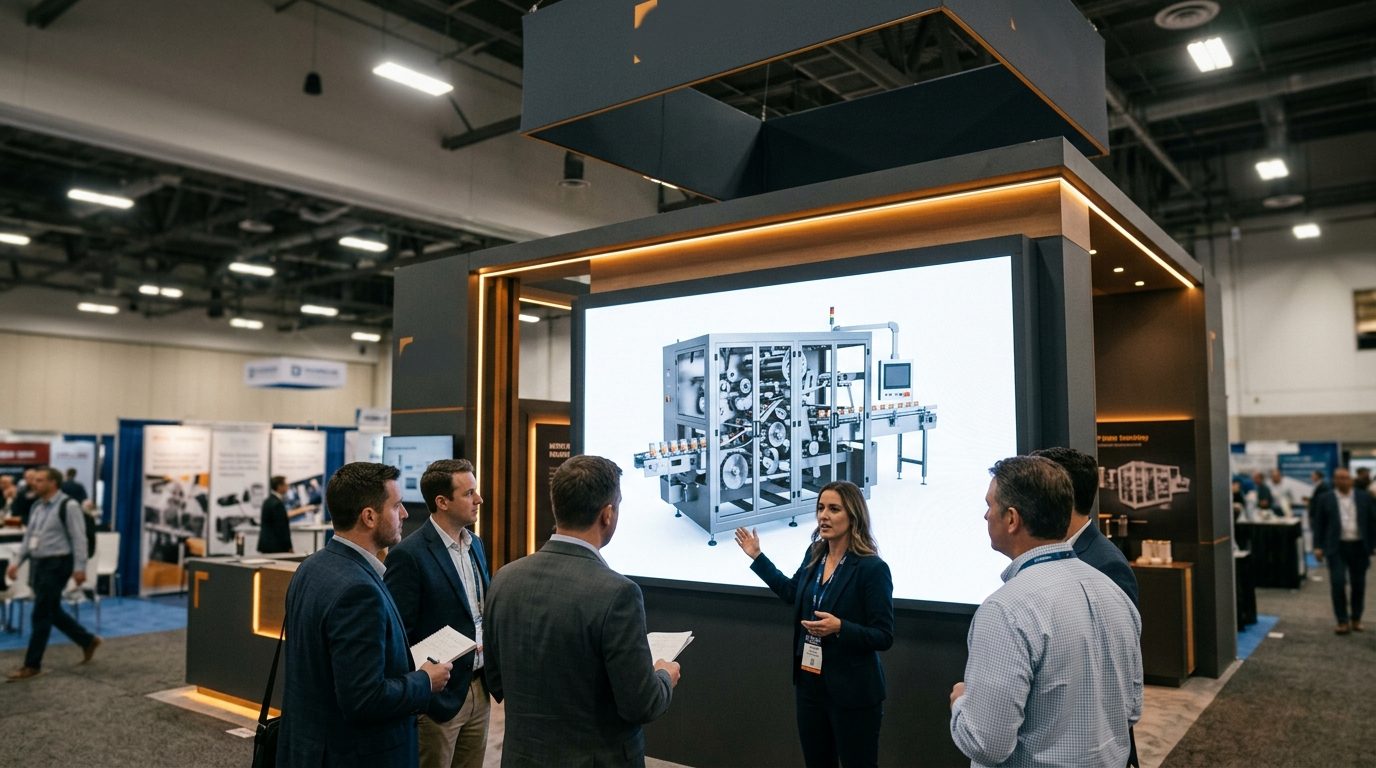
How Can Trade Show Interactive Tools Ignite Customer Engagement and Global Exhibitor Success?

During trade shows, the deployment of interactive tools significantly enhances customer engagement. These tools draw attention and allow potential clients to interact with the machinery do-it-yourself style, making a lasting impression. Such technologies enable exhibitors to showcase their products dynamically, leading to an increase in booth traffic and higher conversion rates. Trade show attendees are more likely to engage with brands that utilize innovative interactive tools, setting the stage for future collaborations and sales opportunities.

Different interactive 3D applications can bring significant benefits to industrial marketing and operations, providing organizations with an innovative edge in a competitive marketplace.

Software FeatureDescriptionBenefit
User InterfaceIntuitive design for easy navigationEnhances user experience and accessibility
Physics SimulationRealistic behavior modelingProvides accurate representation of machinery
Multi-Device CompatibilityFunctionality across various platformsExpands reach and accessibility for users

Leveraging these features in 3D applications can result in transformative outcomes in both marketing and training environments, aligning organizations toward a future of enhanced operational efficiency and customer engagement.