Digital Interactive 3D Applications for Industrial Machinery Explained: Ignite Sales, Training & Innovation

By Chan Park, SuperBot Industrial

In today’s rapidly evolving industrial landscape, digital interactive 3D applications are revolutionizing how machinery is marketed, demonstrated, and trained on. This article delves into the advantages of these technologies, providing insights into their significant impacts on sales performance, training efficiency, and overall innovation within the industrial sector. Through engaging visualizations, companies can enhance customer understanding and engagement while achieving notable improvements in training outcomes. As we explore the dynamics of interactive 3D applications, we will cover critical areas such as how they boost sales, their role in training simulations, and their effectiveness during trade shows. Understanding these applications and their benefits will enable businesses to leverage technology for enhanced operational success.

How Do Interactive 3D Visualizations Boost Industrial Machinery Sales?

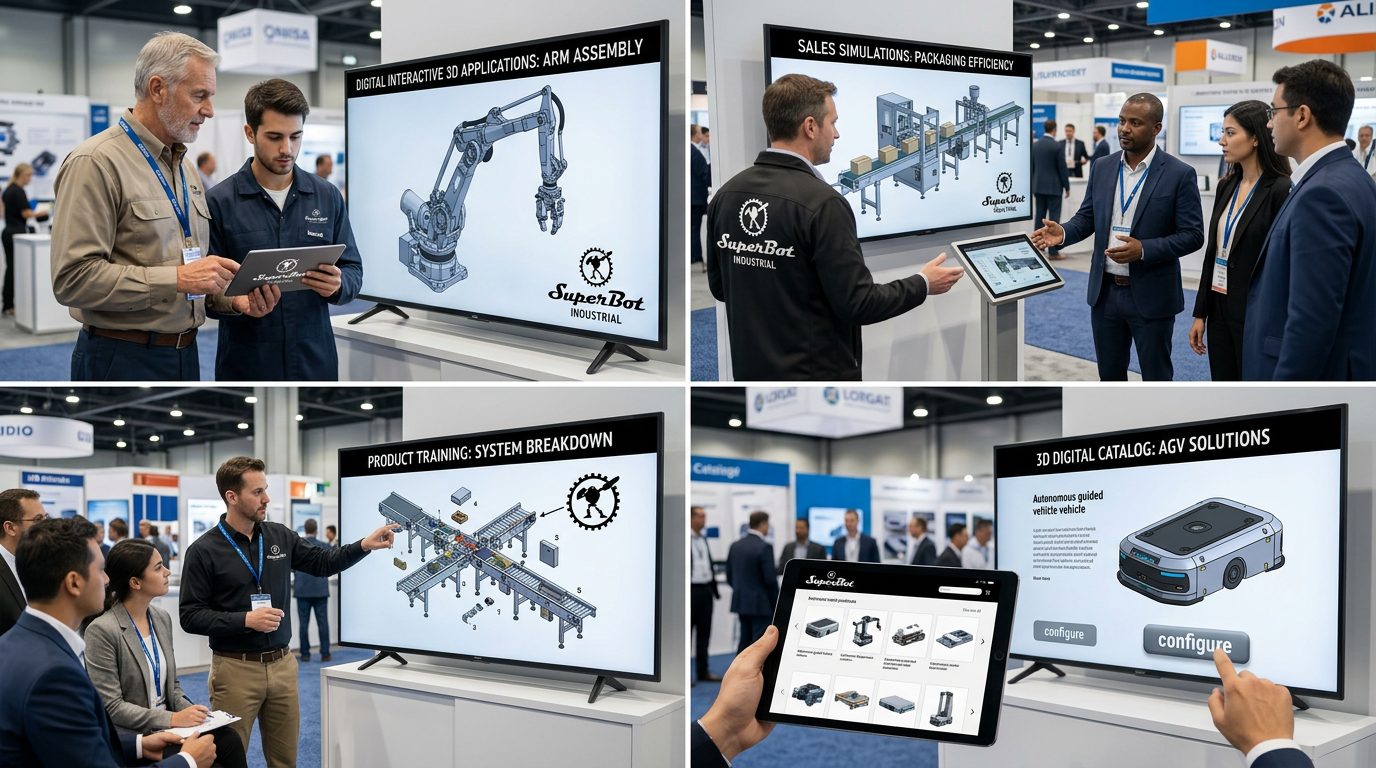
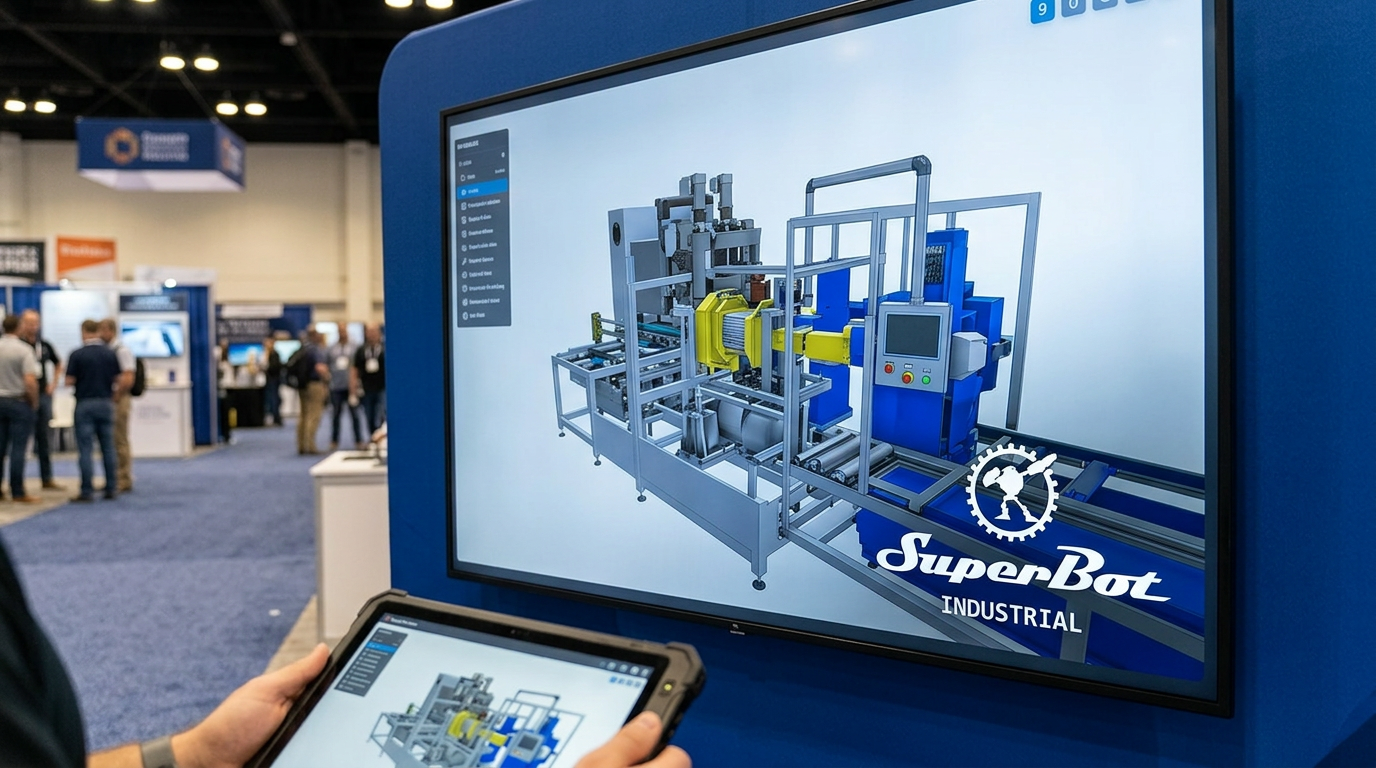
Interactive 3D visualizations redefine how industrial machinery is presented, fundamentally enhancing customer engagement. By utilizing advanced visual tools, potential buyers can interact with machinery models in real-time, improving product understanding and fostering informed purchasing decisions. This approach not only bridges the gap between traditional sales methods and modern technology but also creates an immersive experience that captivates viewers. As a solid example, SuperBot Industrial specializes in delivering advanced digital interactive 3D applications for industrial machinery visualization, effectively showcasing products with unparalleled clarity.

Why Real-Time 3D Interaction Accelerates Buyer Decisions

Real-time 3D interactions significantly influence buyer decisions due to their engaging nature. When potential customers can manipulate and explore machinery models, they receive a visceral understanding of the product’s features and functionality. This hands-on experience fosters trust and reduces uncertainties, directly impacting the speed at which decisions are made. Consequently, businesses utilizing such advanced visualization techniques often report faster sales cycles and improved customer satisfaction.

Unleashing Powerful 3D Product Demos for Maximum Engagement

The implementation of interactive 3D product demos is crucial for engaging potential customers effectively. These demos allow stakeholders to visualize complex industrial machinery in a way that static images or videos cannot replicate. By creating an immersive experience, businesses can communicate product specifications and benefits clearly, thus enhancing overall engagement. The use of compelling 3D visualizations at trade shows or within online platforms acts as an essential tool for effectively capturing attention and stimulating interest.

What Are the Game-Changing Benefits of 3D Training Simulations in Industry?

3D training simulations are revolutionizing workforce development within various industrial sectors. By replicating real-world scenarios in a virtual environment, these simulations facilitate immersive learning experiences that traditional training methods struggle to match. This approach not only enhances knowledge retention but also promotes practical skill application, ultimately reducing training time and costs while improving competency levels among employees.

How 3D Digital Twin Applications Elevate Employee Skills Fast

Digital twin technology in 3D training applications empowers employees to learn in a simulated environment that mirrors real-world operations. Employees can practice operating machinery without the risks associated with actual equipment use. This experiential learning method fosters quicker skill acquisition and greater confidence. Consequently, organizations that incorporate digital twins in their training programs often see a significant boost in operational efficiency.

Why Simulated Machinery Models Slash Training Time and Costs

The utilization of simulated machinery models can lead to substantial cost and time savings. By deploying 3D simulations, companies can reduce the need for physical prototypes during training sessions, thereby lowering material costs and minimizing equipment downtime. Businesses implementing these technologies can cut training costs by varying percentages based on the context, but a common estimate suggests around 20% to 30% savings, while the time taken to onboard new employees can also be compressed significantly.

How Can Trade Show Interactive 3D Machinery Models Ignite Global Engagement?

Interactive 3D models have proven to be valuable assets at trade shows, drawing attention and facilitating deeper engagement with attendees. By incorporating these models during demonstrations, businesses can showcase their machinery’s intricate details and capabilities in an engaging manner. This approach not only enhances visitor participation but also creates memorable experiences that facilitate meaningful conversations and connections.

What Makes 3D Visualizations the Ultimate Trade Show Magnet?

3D visualizations serve as magnets at trade shows due to their eye-catching and interactive nature. Attendees are often drawn to booths that provide unique visual experiences, showcasing products in ways that static displays cannot achieve. The ability to engage with a product interactively tends to leave a lasting impression, which translates to heightened interest and inquiries post-event.

How Interactive Demos Propel Distributor Networks Worldwide

Interactive demonstrations significantly benefit global distributor networks by enabling them to convey complex product information effectively. Case studies reveal that distributors utilizing 3D technologies can drive higher engagement rates with clients and partners. They can conduct effective virtual product tours and deliver compelling sales pitches that emphasize the unique features of their machinery thanks to the engaging nature of 3D applications.

Why Integrate Digital Twin Technology with Interactive 3D Applications?

Integrating digital twin technology with interactive 3D applications enhances the overall visualization experience, providing an in-depth understanding of machinery operations. This combination creates virtual representations that accurately reflect real-time data, enabling users to monitor performance and efficiency continuously. The synergy between these technologies allows businesses to leverage advanced insights for better decision-making.

How Digital Twins Enhance Industrial Machinery Visualization Software

Digital twins elevate the capabilities of industrial machinery visualization software by providing detailed and dynamic feedback. They utilize real-time data to display the machinery’s operational status, enabling users to make informed adjustments and improvements instantly. This integration leads to optimized machine performance and reduces the likelihood of costly breakdowns, showcasing the strategic advantages of adopting cutting-edge technologies in industry.

What Are the ROI Gains from Digital Twin Integration?

The ROI from integrating digital twins with interactive 3D applications is substantial. Businesses often report improvements in efficiency and productivity, directly attributable to real-time monitoring and predictive maintenance capabilities. Furthermore, companies that employ this technology experience faster onboarding processes for new employees and lower operational risks, contributing to a robust return on investment. Many organizations can see a ROI increase of up to 20% or more within the first year of implementation, amplifying the need for these innovations in the industrial sector.