
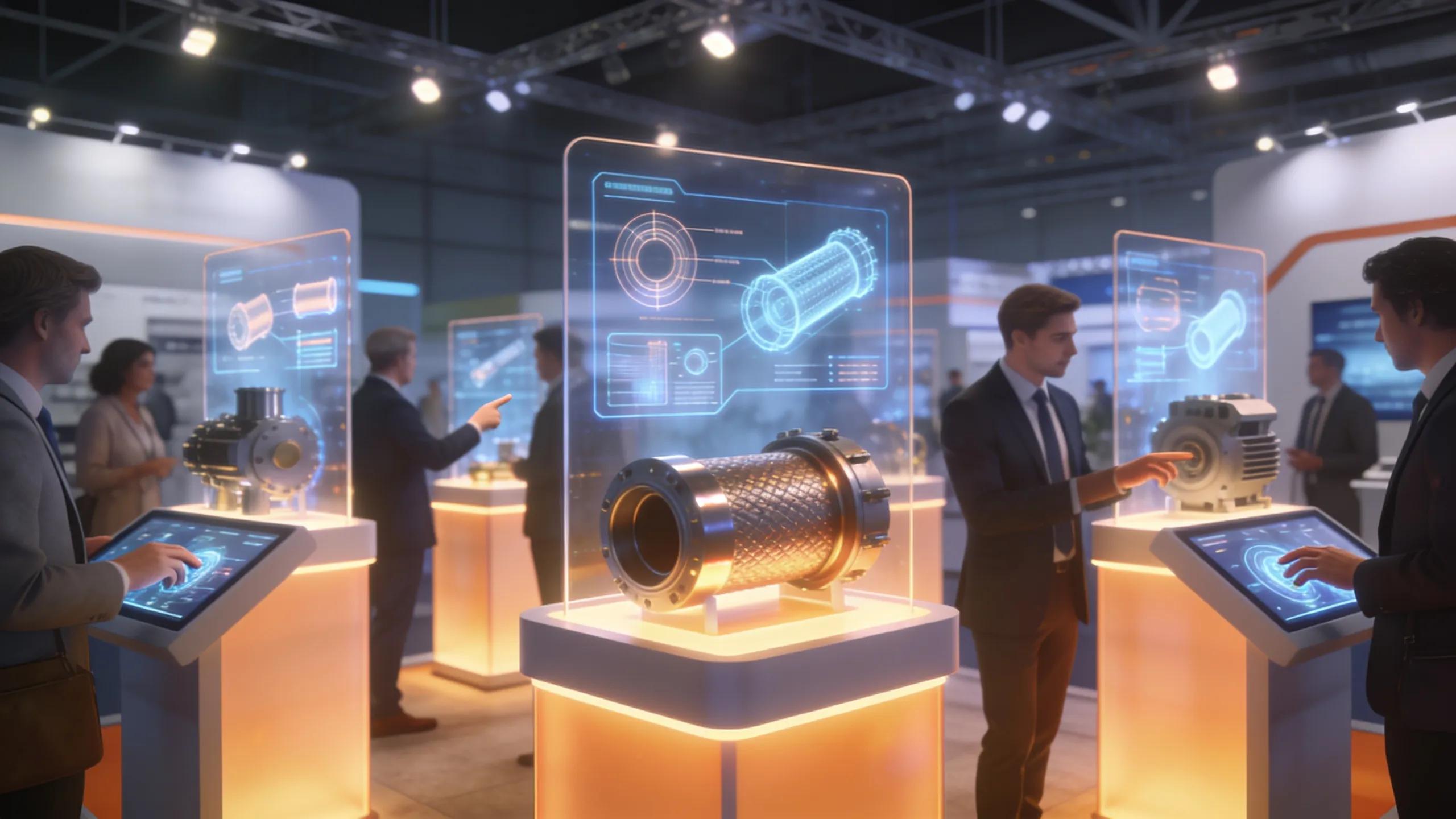
Interactive 3D Visualization Trade Show Solutions for Industrial Marketing Teams: Ignite Engagement and Drive Leads
Key Takeaways
- Interactive 3D visualization enables real-time product interaction and stronger attendee engagement.
- 3D modeling reduces costs, is versatile for multiple channels, and supports sustainable displays.
- Virtual demos accelerate comprehension and collect interaction data for smarter follow-up.
- VR, AR, and engagement analytics deepen insights and improve sales outcomes.
- Modern tools combine high-quality 3D visuals, deep interactivity, and mobile support.
- Effective lead capture includes instant registration, interaction data, and automated follow-up.
- Virtual booth design cuts overhead, reinforces branding, and delivers analytics for decisions.
- Training simulations and sales enablement improve retention and conversion.
- Industrial manufacturing, exhibit design, and high-tech sectors gain the most benefit.
How Does Interactive 3D Product Visualization Transform Industrial Trade Show Displays?
Benefits of Interactive 3D Visualization
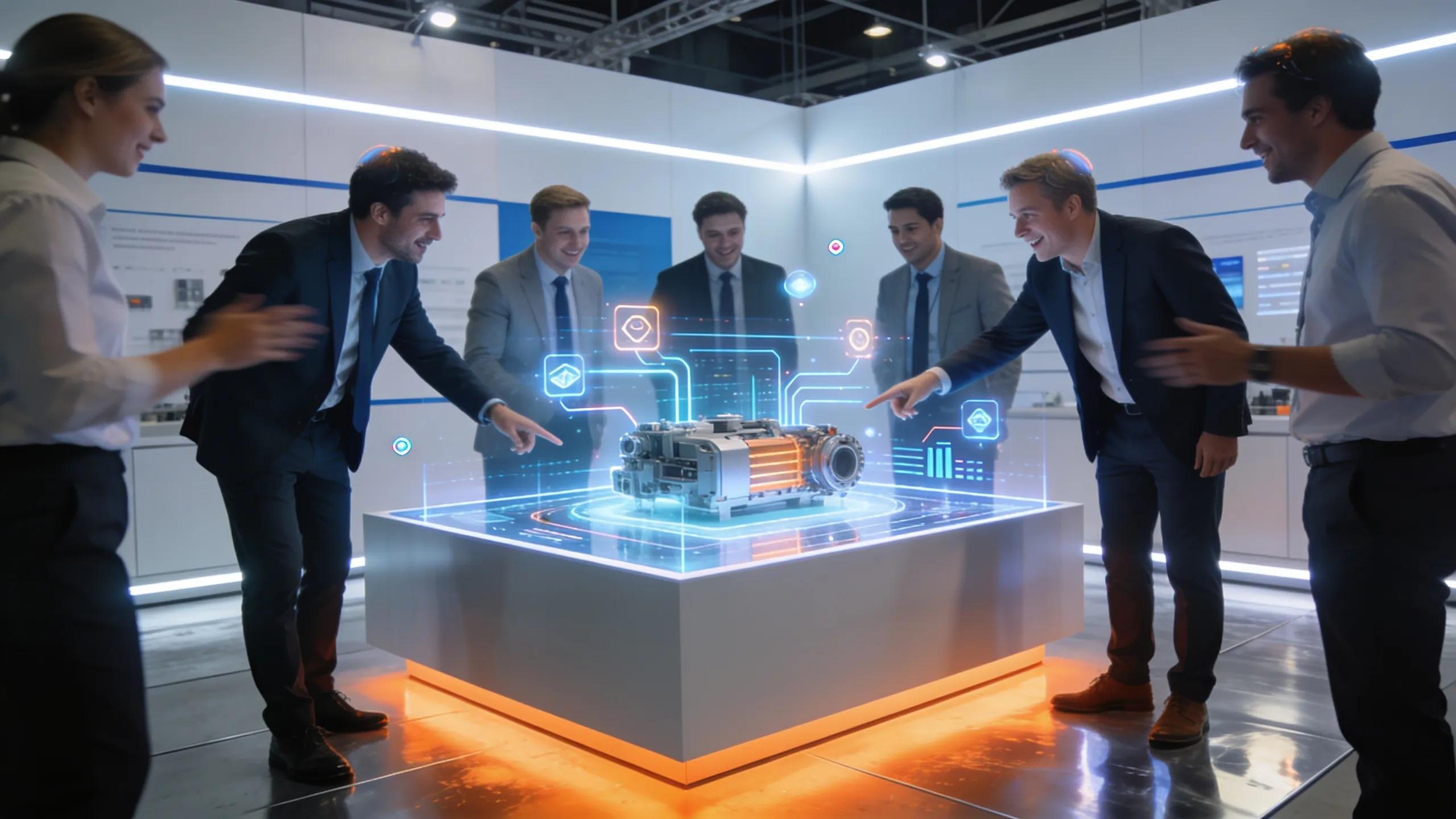
- Enhanced Engagement: Interactive displays attract visitors and sustain attention better than static methods.
- Lead Generation: Embedded tracking captures qualified leads during interactions.
- Technological Integration: 3D experiences plug into CRMs and marketing stacks for seamless follow-up.
What Makes 3D Modeling for Exhibitions a Game-Changer?
3D Web Visualization for Household Appliance Marketing
Manufacturers keep hunting for fresh ways to show products to wider audiences. They want to boost sales and lift brand recognition. The fast-growing e-commerce market demands efficient, user-friendly online product visualization for both wholesale and retail customers. This paper describes and evaluates a 3D web visualization method. It builds a large virtual showroom with many high-detail product models. In the showroom, customers can browse full collections and inspect individual products. The visualization aims to mirror the real experience with detailed architecture, photographs, videos, and music.Large-scale 3d web environment for visualization and marketing of household appliances, P Sobociński, 2021
Key Features of 3D Modeling
- Cost Efficiency: Reduce physical builds and logistics expenses.
- Versatile Deployment: Reuse and adjust models for different events and channels.
- Sustainability: Cut material use and transport-related emissions.
How Do Virtual Product Demos Boost Trade Show Success?
Audience Engagement Strategies
- Live Interaction: Host live demos to answer questions and build rapport.
- Interactive Features: Add polls, controls, and manipulation tools to increase retention.
- Follow-Up Analytics: Use demo data to segment leads and tailor outreach.
What Industrial Trade Show Technology Solutions Accelerate Sales and Marketing Results?
Essential Technology Solutions
- VR and AR Experiences: Immerse attendees and show real-world applications.
- Engagement Analytics Tools: Measure which features resonate and track session depth.
- Lead Capture Systems: Capture and route leads in real time for immediate action.
VR and 3D Prototyping for Product Design & Evaluation
Prior studies show digital prototyping and VR cut development time and costs while boosting motivation and creativity. This study demonstrates that VR and 3D prototyping in project-based learning improve communication, boost problem solving, and enhance learning outcomes. VR and digital prototyping are widely used in industry for product design and usability evaluation.Immersive virtual reality to enforce teaching in engineering education, 2020
Which Features Define Cutting-Edge Trade Show Visualization Tools?
Features to Look For
- Photo-Remini 3D Visualization: High-quality renders that clearly show product details.
- Deep Interactivity: Tools that let users manipulate parts, see internal systems, or simulate use.
- Mobile Optimization: Ensure experiences work smoothly on tablets and phones.
How Do These Solutions Capture Leads and Drive Demo Requests?
Effective Lead Capture Techniques
- Instant Registration: Let attendees request demos from the display with a few taps.
- Data Collection through Interaction: Track behavior to prioritize follow-up.
- Automated Follow-Up: Trigger tailored emails or meeting invites from captured data.
Why Should Industrial Marketing Teams Invest in Virtual Trade Show Booth Design?
Benefits of Virtual Booth Design
- Cost-Effectiveness: Minimize shipping and build expenses.
- Innovative Branding: Create memorable, on-brand experiences.
- Data-Driven Insights: Collect analytics to inform future events.
How Does Virtual Booth Design Enhance Exhibitor Engagement?
Enhancing User Interaction
- Customizable Interfaces: Target content to visitor segments.
- Real-Time Feedback: Gather live responses and adapt on the fly.
- Engaging Multimedia Content: Combine video, animation, and interactive demos to sustain interest.
Which Use Cases Prove ROI through Training Simulations and Sales Enablement?
Proven Use Cases
- User Training: Simulations improve comprehension and retention for sales and support teams.
- Sales Enablement Success: Interactive demos boost presentation impact and conversions.
- Real-World Applications: Customer case examples show measurable sales improvements.
How Can Industrial Marketers Request Demos and Get Started with 3D Visualization Solutions?
Steps to Request a Live Interactive Demo
- Initial Inquiry: Contact providers and outline your goals and constraints.
- Scheduling a Demo: Book demos that fit your team’s availability and decision timeline.
- Preparation Questions: Ask about integration, device requirements, and support to ensure a smooth pilot.
Which Industries and Teams Benefit Most from These Trade Show Technologies?
Benefiting Industries
- Industrial Manufacturing: Use demos for product showcases and training.
- Trade Show Exhibit Design: Agencies can offer richer digital services to clients.
- High-Tech Companies: Demonstrate complex systems with interactive simulations.