
Real time 3D Technology for Enhanced Industrial Machinery Visualization

By Chan Park, SuperBot Industrial

Real time 3D technology is revolutionizing the visualization of industrial machines, systems and processes. This technology provides vibrant digital representations that simulate physical assets, bridging the gap between digital information and physical outputs. It empowers industrial equipment OEMs to visualize complex machinery in a way that enhances understanding and operational efficiency. As industries face challenges in maintaining performance and innovation, real time 3D solutions offer a solution that integrates real-time data for proactive decision-making. This article will explore the capabilities of real time 3D technology, relevant use cases, benefits of implementation, and how it transforms industrial visualization.

Real-Time 3D Visualization Capabilities:

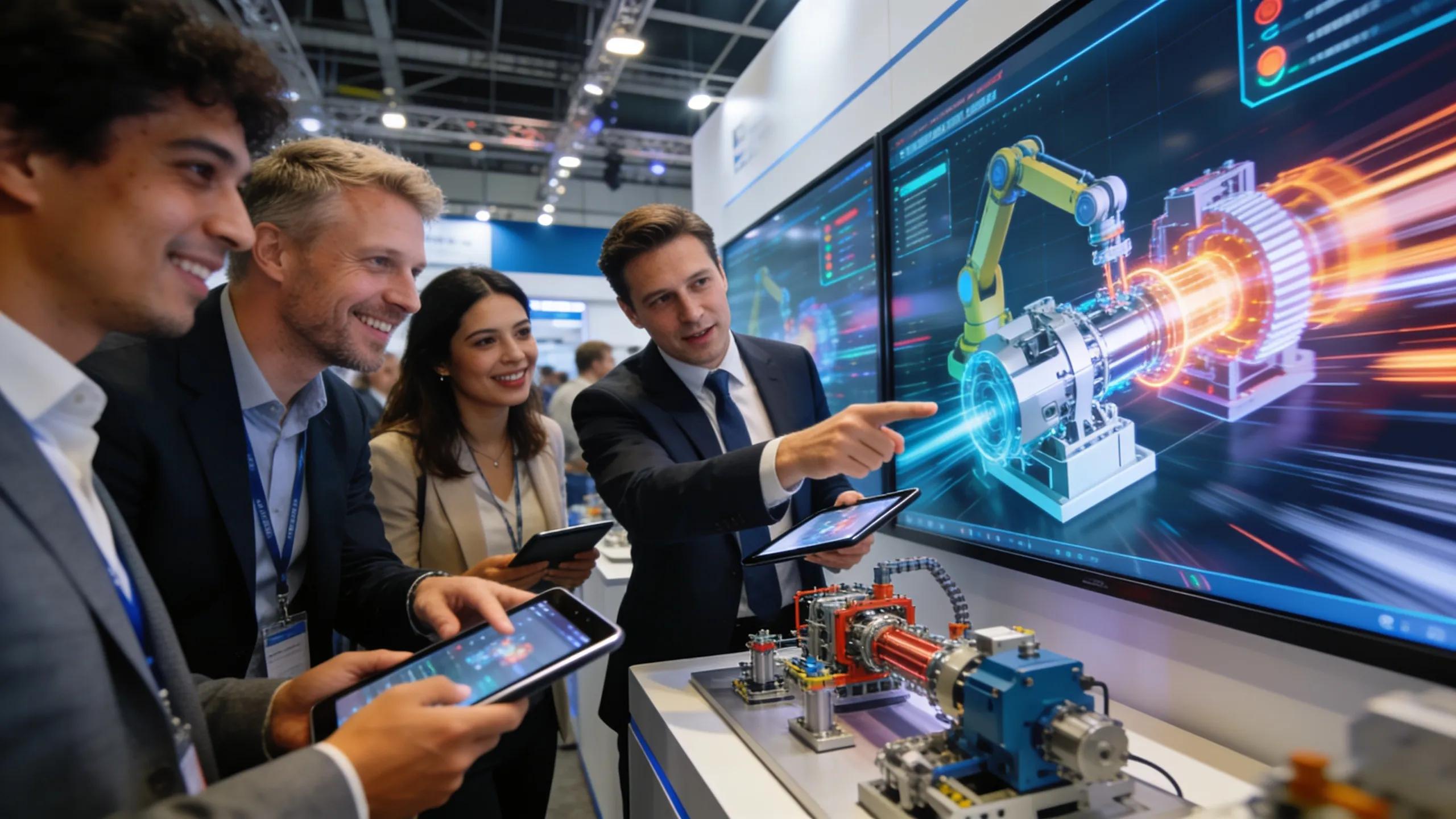
Real-time 3D visualization, powered by game engines like Unity and Unreal Engine, enables dynamic interaction with complex machinery models. This interactivity is characterized by features such as 360° rotation, zooming capabilities, and user engagement with clickable hotspots, allowing for an immersive user experience. These visualization applications are optimized for various platforms, ensuring accessibility across devices including desktops, tablets and mobile devices. This level of visualization significantly enhances the understanding of machine mechanics and operational parameters, allowing users to make informed decisions in real-time.

Relevant Use Cases in Industrial Settings:

Interactive 3D visualization technology finds practical applications across a range of industrial scenarios, each contributing to operational efficiencies.

  1. Trade Shows: Engaging presentations showcasing unique features of complex machines can reduce shipping costs significantly while attracting potential clients.
  2. Web Product Showcases: Embedded 3D visualizations of products enable 24/7 accessibility from website product pages, allowing potential buyers to explore offerings at their convenience.
  3. Training and Onboarding: These applications facilitate scalable deployment globally, crucial for standardizing training processes across multiple locations.
  4. Sales Enablement: Advanced visualizations enhance remote selling through rich, interactive content that helps convey product value effectively.

Benefits of Implementing real time interactive 3D applications:

The implementation of interactive 3D visualizations brings numerous advantages that can significantly enhance sales, marketing and operational processes. Key benefits include improved customer engagement leading to better-qualified leads, cost reduction through the elimination of physical shipping, accelerated sales cycles due to immersive experiences, and data insights that allow for refined marketing strategies.

BenefitImpactValue
Enhanced EngagementIncreased connection with potential customersHigher conversion rates
Cost ReductionEliminates need for physical shippingSaves operational costs
Accelerated Sales CyclesQuicker decision-making from prospectsImproves sales efficiency

By utilizing interactive 3D visualizations, businesses can effectively position themselves to meet market demands swiftly and at lower operational costs.

How do interactive 3D machinery models enhance sales enablement?

Interactive 3D machinery models enhance operational insights by boosting buyer confidence through demonstrations of product features in a detailed manner. They significantly reduce logistical challenges associated with transporting physical equipment for demonstrations. With access to interactive features, potential buyers can explore a machine’s specifications and benefits thoroughly, leading to more informed purchase decisions.

What features make game engines ideal for dynamic machinery visualization?

Game engines are ideal for dynamic machinery visualization due to several essential features. These include:

  • Real-Time Interaction: Allowing users to manipulate and explore models in real-time enhances understanding.
  • Deployment Versatility: These platforms can be accessed from desktops, tablets, and mobile devices, ensuring widespread usage across various operational settings.
  • Integration of Multiple Machines: Providing a holistic view of interconnected systems allows for better evaluation and analysis of operations.

This versatility significantly enhances the capability of organizations to visualize intricate industrial setups and make informed adjustments as necessary.

Why Interactive 3D Visualization Dominates Industrial Sales and Training?

Interactive 3D visualization excels in both industrial sales and training due to its high engagement factor and effectiveness in conveying complex information. The benefits of using such visualizations include enhanced learning outcomes as they accommodate diverse learning styles, improved sales effectiveness by allowing potential customers to visualize the product fully, and the incorporation of interactive features that facilitate a deeper understanding of machinery operations.

How do interactive 3D visualizations accelerate operator training and skill retention?

Interactive 3D visualizations significantly enhance training processes by offering guided walkthroughs for operational procedures which allow new operators to learn effectively through real-world scenarios. They provide real-time interaction during training sessions, promoting active learning and improving retention rates. Moreover, the accessibility of these models ensures that operators can frequently revisit learning materials, promoting continuous skill enhancement.

What role do immersive demos play in industrial sales success?

Immersive demos play a critical role in industrial sales success by allowing potential clients to explore products in-depth interactively. These demos enhance customer engagement by creating an experiential learning environment that fosters understanding. Integration across multiple platforms during these demonstrations ensures that a wide audience can access vital product information, thus converting prospects into customers.

What to expect during a live 3D visualization application demonstration?

During a live 3D visualization application demonstration, users should anticipate engaging with interactive models that showcase realistic product functionalities. The demonstration includes clear explanations of the software’s capabilities, allowing potential users to understand how it can improve their sales, marketing, and/or training operations. Attendees should feel empowered to ask questions and request specific scenarios to be illustrated during the session.

Which emerging innovations will elevate industrial digital twins next?

Emerging innovations that could further enhance digital twin capabilities include advancements in real-time data integration and applications of augmented reality for immersive visualizations. These technologies will enhance the effectiveness of digital twins in providing actionable insights, improving training methodologies, and refining operational protocols.

How is market growth driving adoption across manufacturing sectors?

The growth of the market is influencing the adoption of digital twin technology across manufacturing sectors primarily due to factors like cost savings and improvements in engagement metrics. Organizations recognize that adopting digital twins places them at an advantage in a competitive landscape, prompting a broader trend in industrial technology adoption that emphasizes efficiency and innovation.