
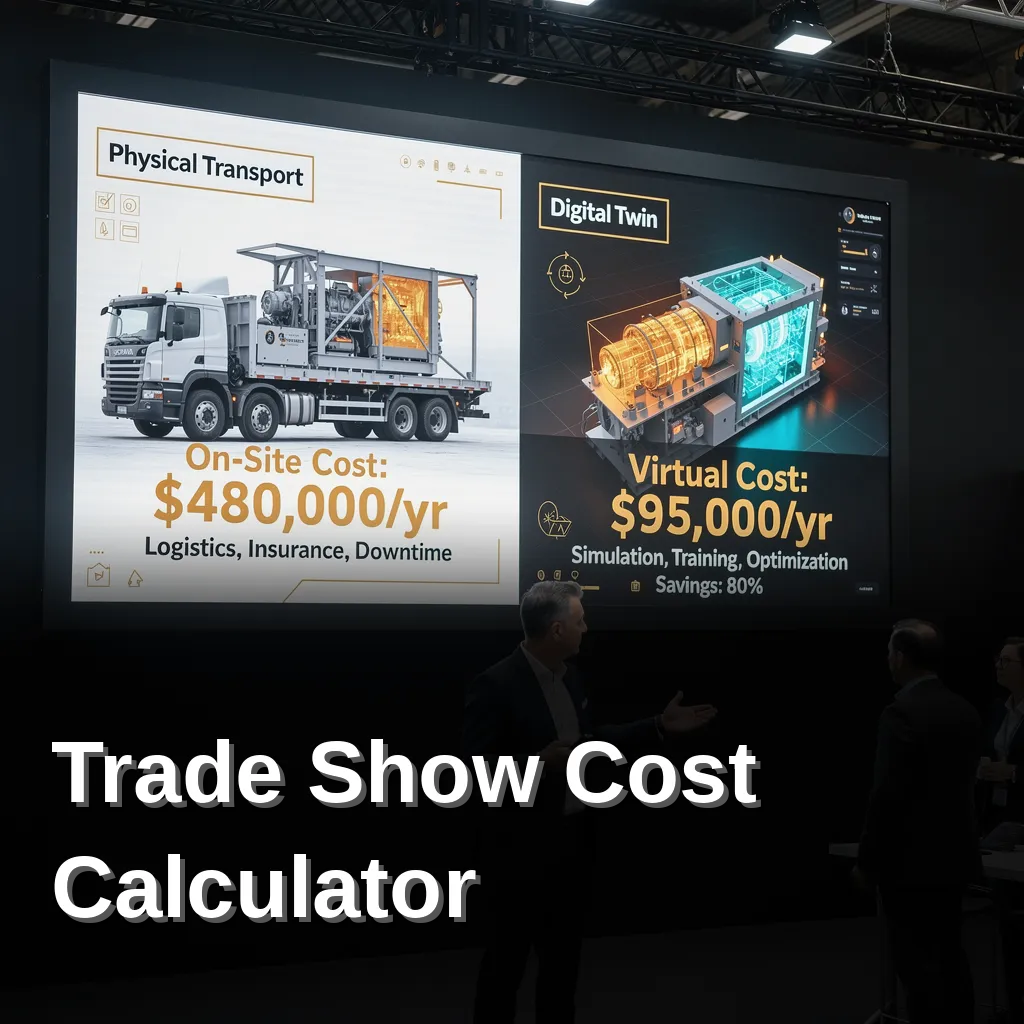
Interactive 3D visualizations at a trade show showcasing virtual booth setups and engaged attendees

By Chan Park, SuperBot Industrial

In the dynamic landscape of trade shows, understanding the associated costs is crucial for businesses aiming to maximize their return on investment. A trade show cost calculator serves as an essential tool, enabling companies to quantify shipping expenses against virtualization options. This article will delve into the factors influencing both physical and virtual setups, uncovering how businesses can save significantly by making informed choices. By addressing the pain points around logistical coordination and setup costs, this guide aims to illuminate the path to enhanced budget management through savvy calculations and virtual solutions. We will explore key calculation methods, weigh the benefits of virtual trade shows, and analyze the stark cost contrasts between traditional shipping and modern virtualization techniques.

How Do You Calculate Trade Show Shipping Costs Accurately?

Calculating trade show shipping costs accurately requires a comprehensive approach that accounts for all associated expenses. Key components of these calculations include itemizing logistics costs, booth setup fees, and transportation charges. Businesses need to also consider factors like weight, dimensions, and delivery timelines, as these elements can significantly impact overall costs. By leveraging advanced tools and technology, companies can streamline this process to improve budget accuracy and efficiency.

What Key Factors Drive Shipping and Logistics Expenses?

Shipping and logistics expenses for trade shows can escalate due to various factors. These include:

  1. Crating Costs: High-quality crates are essential for protecting valuable exhibits during transit.

  2. Drayage and Rigging Costs: This involves moving shipments from the dock to the booth space and assembling components, which can add up rapidly.

  3. Potential Damage and Return Shipping Costs: Businesses must plan for unexpected damage that could result in additional shipping expenses.

Understanding these key drivers is vital in forming a complete picture of trade show budgeting.

How Can You Use a Trade Show Shipping Cost Calculator to Budget Smart?

Utilizing a trade show shipping cost calculator effectively can enhance budgeting strategies. When using such tools, businesses are advised to:

  1. Input Different Scenarios: Explore various shipping options to identify the most cost-effective solutions.

  2. Invest in 3D Visualization Tools: By visualizing the booth requirements digitally, companies can better plan logistics without the need for physical prototypes.

  3. Track and Monitor Engagement Metrics: Understanding how various elements impact audience engagement can inform future budgeting decisions.

This proactive approach aids in developing a resilient financial strategy for trade shows.

What Are the Massive Benefits of 3D Visualizations?

3D visualizations present numerous advantages that can significantly reduce operational costs. Transitioning to virtual formats cuts down on logistics expenses tied to physical setups. Key benefits include:

  1. Cost Reduction: Eliminating the need for shipping and setup allows businesses to reallocate funds towards more meaningful engagements.

  2. Enhanced Engagement: Interactive features inherent in virtual environments foster deeper connections with potential clients.

  3. Flexible Deployment: Companies can present their offerings across multiple platforms, maximizing exposure without the constraints of physical space.

The shift to virtual formats also aligns with current trends toward digital engagement, enhancing overall marketing strategies.

Research into modern event strategies highlights how 3D visualizations provide necessary extensions to traditional physical trade fairs.

How Do Interactive 3D Product Visualizations Slash Trade Show Expenses?

Interactive 3D product visualizations have transformed the trade show experience by significantly lowering costs. This technology reduces the necessity for physical prototypes, which can be expensive to produce and transport.

Moreover, companies benefit from:

  1. Time Efficiency: Virtual setups streamline the entire process of booth arrangement, saving precious time during setup and dismantling.

  2. Increased Attendee Engagement: The interactive nature of 3D visualizations captivates attendees, leading to higher conversion rates.

  3. Budget Allocation: With reduced need for logistical funding, resources can be redirected to innovative initiatives that enhance visibility.

These aspects illustrate how 3D visualizations not only serve as an effective marketing tool but also as a cost-saving mechanism.

How Do Shipping Costs Stack Up Against 3D Visualization Cost Analysis?

Traditional Shipping Costs

3D Visualization Cost Analysis

Impact Level

High logistics costs

Minimal or no shipping fees

Significant savings

Setup and tear-down fees

Touchscreen computer setup

Cost-effective

Potential damage costs

Negligible risk

Reduced liabilities

This comparison showcases the financial advantages of choosing 3D visualization over conventional shipping methods, paving the way for a more fiscally responsible approach to trade shows.

What Does a Direct Cost Comparison Between Physical and Virtual Setups Reveal?

A direct cost comparison between physical and virtual setups highlights the expansive savings available to businesses willing to embrace digital formats for trade shows. As companies scrutinize expenses, the advantages of virtual participation become increasingly clear:

  1. Comprehensive Analysis of Expenditures: By examining spending patterns, businesses can pinpoint high-cost areas that can be optimized or eliminated.

  2. Benefits of Virtual Flexibility: 3D visualization afford greater adaptability that directs resources toward crucial marketing efforts.

  3. Reallocation of Saved Resources: Money saved through virtual strategies can be invested in enhancing product development or marketing outreach.

Such insights are instrumental in developing a successful trade show strategy.

Which Scenarios Favor 3D Visualization Over Traditional Shipping?

Certain scenarios strongly favor the implementation of 3D visualization over traditional shipping. For businesses facing high shipping costs or complex logistical challenges, virtual options become increasingly viable.

  1. High Shipping Cost Situations: Companies operating with slim margins benefit significantly from shifting toward lower-cost virtual setups.

  2. Engagement-Driven Metrics: Scenarios where audience interaction is critical can leverage the immersive aspects 3D of virtual demos to increase alignment with target demographics.

  3. Sustainability and Competitive Advantage: A growing emphasis on environmental responsibility favors businesses that adopt energy-efficient, low-impact virtual solutions.

Identifying these specific situations enables businesses to adapt their strategies, ensuring they remain competitive.

How Can You Integrate Interactive 3D Visuals to Maximize Trade Show ROI?

The integration of interactive 3D visuals into trade show strategies can significantly enhance the overall return on investment. These visuals not only present products in an engaging manner but also enable companies to showcase their innovations effectively.

To maximize ROI through 3D visuals, businesses should:

  1. Leverage Technology for Competitive Advantage: Cutting-edge solutions can create memorable experiences that resonate with attendees.

  2. Demonstrate Product Effectiveness: High-quality 3D renderings can help customers visualize themselves using products, facilitating decision-making.

  3. Enhance Customer Interaction: Providing a platform for feedback and inquiries through interactive content allows businesses to better understand customer needs.

This proactive approach in utilizing technology can lead to more successful outcomes at trade shows.

What Are Proven Case Studies Showing Cost Savings and Lead Growth?

Numerous case studies underscore the effectiveness of employing virtual strategies and 3D visualization technologies in trade shows. Companies that have embraced these innovations report significant cost savings alongside notable lead growth.

  1. Successful Implementations Overview: Firms implementing 3D visualizations often see reduced setup times and logistical costs resulting in higher profitability.

  2. Quantifiable Benefits and ROI: Metrics demonstrate enhanced customer engagement aligning with increased sales conversions post-event.

  3. Lessons Learned for Future Trade Shows: Organizations have found that adopting an experimental mindset and using analytics improves not only trade show experiences but long-term marketing strategies as well.

These examples highlight the real-world implications of moving towards digital and interactive formats.

How to Request a Demo and Start Saving on Trade Show Costs Today?

To seamlessly transition toward more effective trade show solutions, interested businesses can request a demo of cutting-edge 3D visualization technology. Following these simple steps can get you started:

  1. Visit Our Website: Fill out our web form at superbotindustrial.com

  2. Prepare Key Questions: Consider aspects of the technology you wish to explore further during the demo.

  3. Follow-Up Procedures: Post-demo feedback is essential to maximize future engagements, ensuring that customers feel supported throughout their journey.

By taking these steps, businesses can begin the valuable process of reducing trade show costs and enhancing engagement through innovative technologies.