
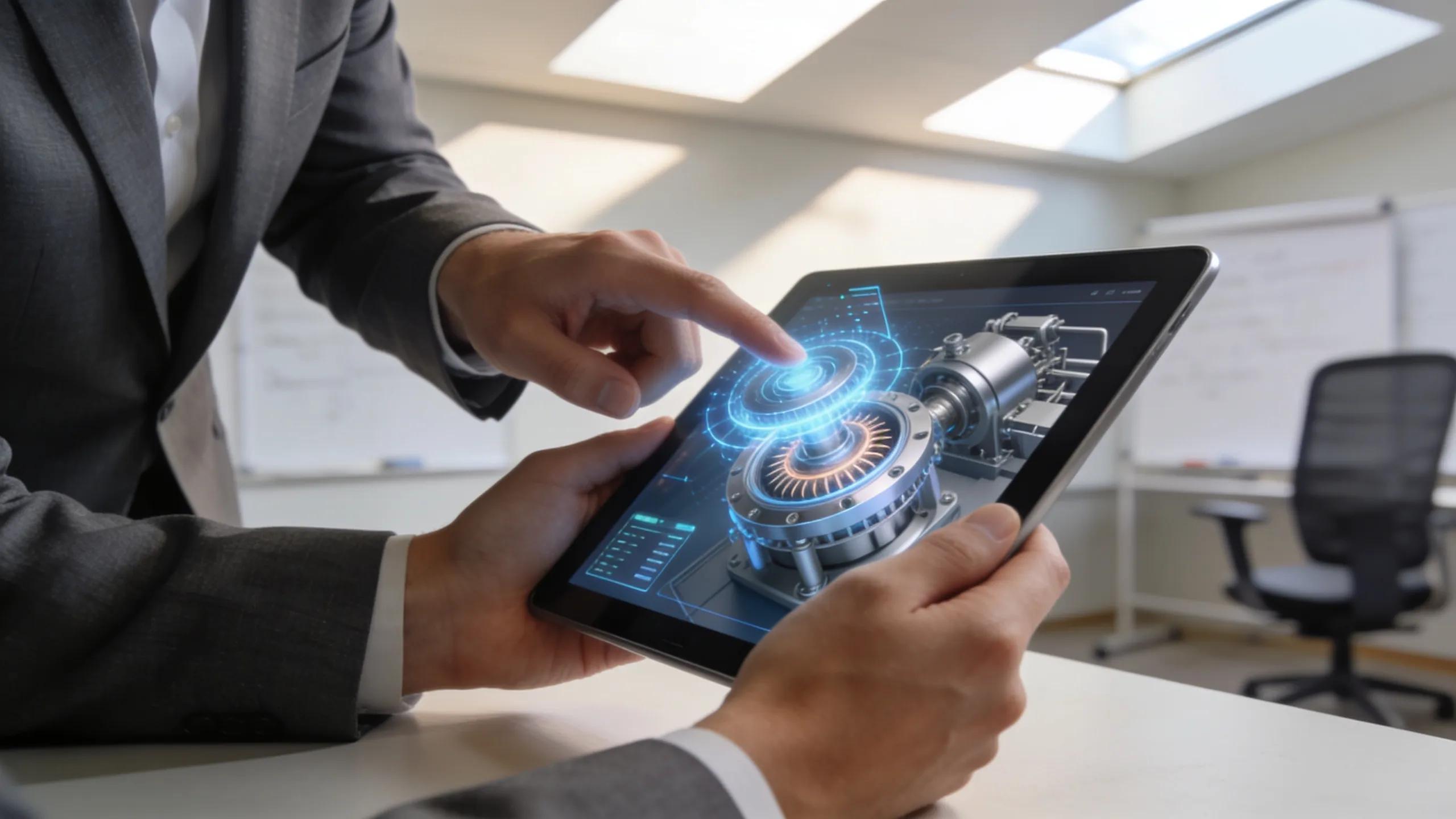
Drive 5X Sales Engagement: Transform Physical Industrial Equipment into Interactive 3D Virtual Assets Now
Why Choose Interactive 3D Product Demos to Skyrocket Industrial Sales?
Enhanced Customer Engagement
- Deeper Understanding: Customers gain a clearer view of how products function and fit into their operations, leading to informed purchasing decisions.
- Longer Dwell Times: Engaging content naturally increases the amount of time customers spend interacting with the product, enhancing the likelihood of purchase.
Accelerated Sales Cycle
- Real-Time Insights: Sales teams can offer immediate answers to buyer questions, leading to quicker resolutions.
- Logistical Challenges Reduced: By using virtual demos, businesses can circumvent the traditional complexities of physical equipment showcases, streamlining the engagement process.
Technology Benefits
- 24/7 Accessibility: Potential buyers can access product demonstrations anytime, allowing them to engage at their convenience.
- Data Collection: Interactive tools collect valuable real-time analytics, enabling refined marketing strategies that align with customer interests.
How to Transform Physical Industrial Equipment into Digital Twin Virtual Assets?
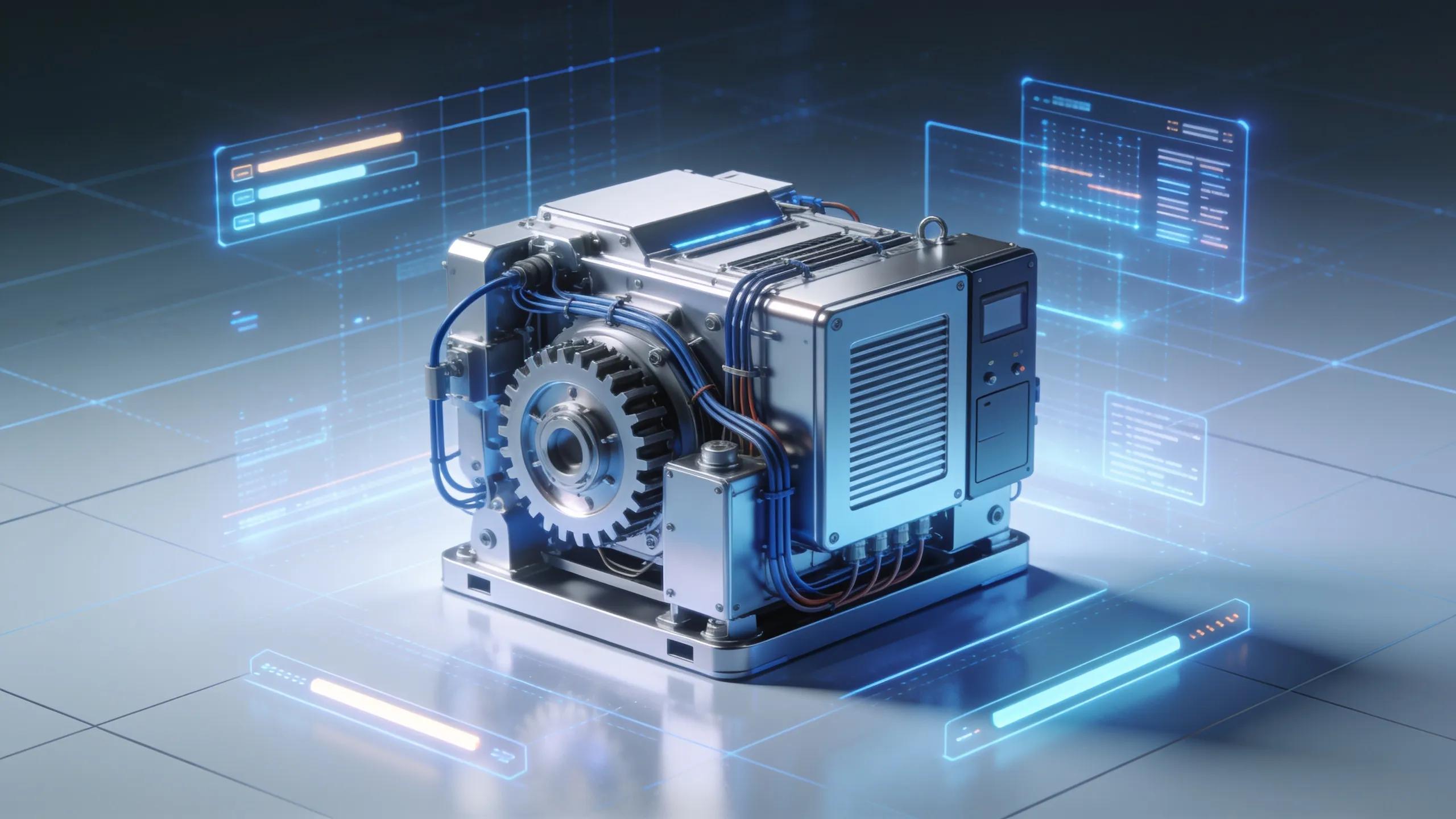
Process of Transformation
- Discovery Phase: This initial stage involves gathering information about the equipment to be modeled, establishing goals for the virtual representation.
- Photo-Real 3D Build: Utilizing advanced 3D modeling software, designers create lifelike digital twins that reflect the exact specifications and features of the physical items.
- Deployment: The final stage involves integrating these 3D models into virtual platforms where they can be accessed by sales teams and customers alike.
Technologies Involved
- 3D Modeling Software: Critical for creating high-fidelity digital representations that include geometrical accuracy and textural details.
- Real-Time Rendering Technologies: Allow for seamless transitions and interactions with 3D models, enhancing user experience during demonstrations.
- Analytics Dashboards: Tools for monitoring user interactions with the digital assets that inform ongoing marketing strategies.
What Are the Essential Steps to Create High-Fidelity 3D Industrial Models?
- Discovery & Scope: Defining the project scope and understanding the client's expectations.
- Photo-Real 3D Build: Developing realistic models that mimic the appearance and functionality of physical equipment.
- Review & Refinement: Iterative revisions based on feedback to ensure the final product meets quality standards and customer needs.
Which Tools and Technologies Power Interactive Industrial Virtualizations?
- 3D Visualization Software: Core tools used for creating and manipulating 3D models.
- Web-Based Platforms: Essential for making virtual demonstrations accessible to users regardless of geographical constraints.
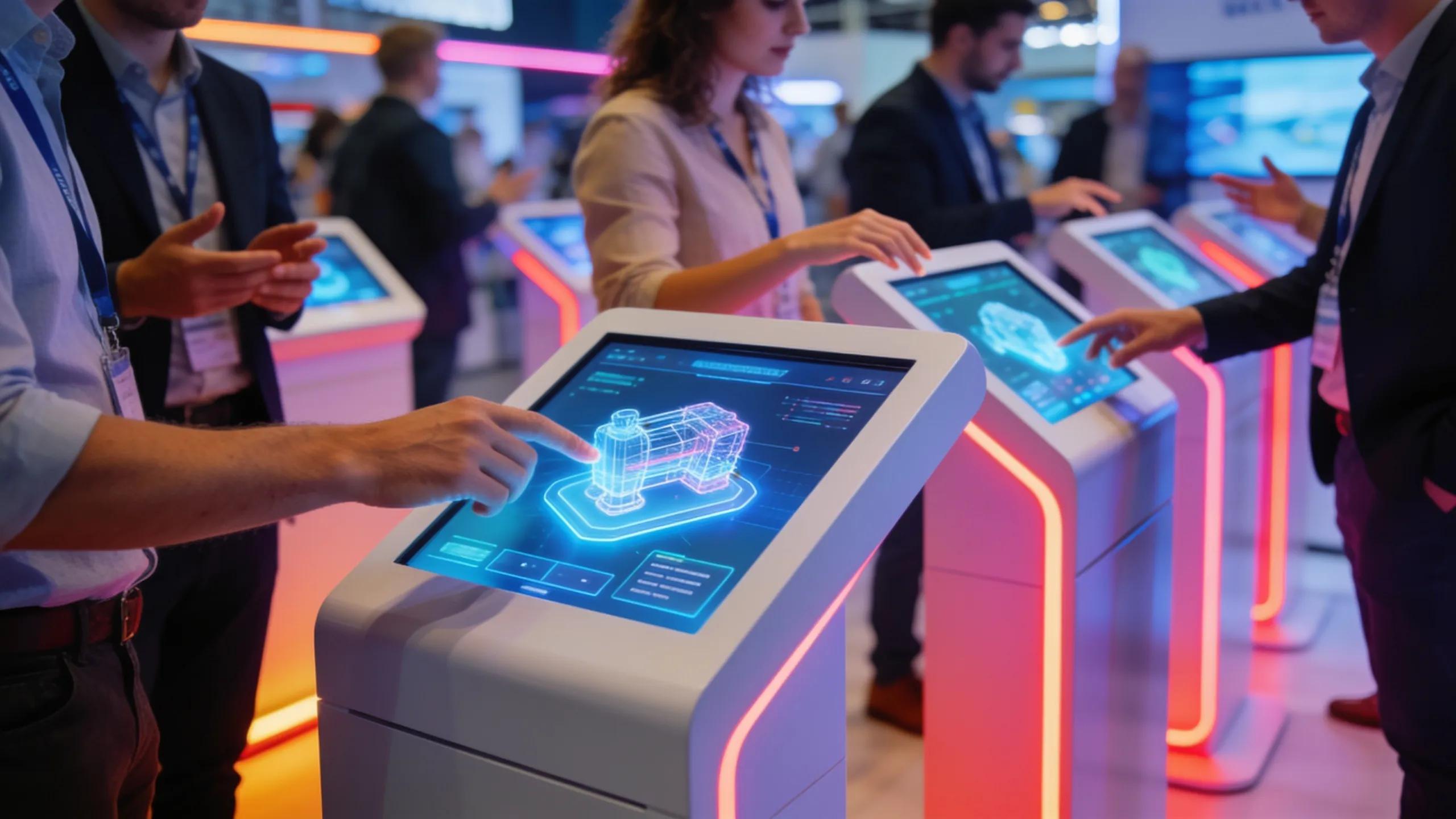
- Touchscreen Kiosks: Provide interactive experiences during trade shows or onsite demonstrations, allowing visitors to explore products easily.
How Do Virtual Reality Industrial Products Revolutionize Trade Show Demonstrations?
Enhanced audience engagement
- Immersive Experiences: Attendees can interact with virtual products in ways that traditional displays cannot offer, increasing brand interest.
- Cost-Effectiveness: Companies reduce costs associated with physical transportation and setup by utilizing digital assets for their displays.
What Benefits Do Virtual Trade Show Exhibits Offer Sales and Marketing Teams?
- Cost Savings: By reducing physical logistics, companies can allocate resources to more impactful marketing efforts.
- Increased Engagement: Interactive elements in virtual exhibits capture the interest of potential customers far more effectively than traditional displays.
How to Use Virtual Equipment Demonstrations to Captivate Global Audiences?
- Accessibility: Virtual demonstrations provide easy access to anyone, anywhere, facilitating engagement across diverse markets.
- Real-Time Configuration Options: Customers can customize product features on-the-fly during virtual demonstrations, enhancing their involvement.
Why Integrate 3D Visualization for Sales Training to Accelerate Team Performance?
- Consistent Training: Ensures that all team members receive the same quality of information, reducing discrepancies in knowledge.
- Improved Understanding: Visual tools help employees grasp complex product features more easily, boosting confidence in customer interactions.
What Customer Success Stories Prove the Power of Virtual Industrial Assets?
- Increased Booth Engagement: Companies that adopted virtual demos reported higher interaction rates during trade shows.
- Cost Reduction: Businesses have cut down on physical inventory needs while maintaining effective presentations through digital assets.
What Are the Latest Trends and Future Outlook for Industrial Equipment Virtualization?
- Growth of Digital Solutions: Increasing demand for immersive experiences leads to rapid advancements in 3D technologies.
- Investment in Virtual Assets: More companies are dedicating resources to developing and showcasing digital models to enhance customer interaction.
How Are Digital Twins and AR Shaping Industrial Sales in 2024-2026?
- Higher Engagement: Customers can interact with products in real time, leading to better understanding and interest.
- Cost Reduction: Efficient marketing strategies leveraging these technologies can significantly lower exhibition costs.
What Emerging Technologies Will Drive Next-Level Sales Engagement?
- Interactive 3D Visualizations: New methods of presenting products enhance customer understanding and engagement.
- Augmented Reality: Bridging the gap between digital and physical interactions enriches the customer experience.
Immersive 3D Product Demonstrations in the Metaverse 1. By combining immersive technologies like virtual reality (VR), augmented reality (AR), and three-dimensional (3D) virtual environments, the metaverse is transforming product displays. This chapter looks at how companies are using these tools to make immersive, captivating product demonstrations that give customers realistic, interactive experiences. The study employed VOSviewer to examine research trends in the field and the PRISMA (Preferred Reporting Items for Systematic Reviews and Meta-Analyzes) technique to thoroughly investigate the body of existing literature data from 1994 to 2024. The chapter conducted a thorough analysis to examine how immersive product presentations in the metaverse are changing user engagement, customer behavior, and conventional marketing tactics. This study emphasizes how immersive visualisation influences purchase decisions by showcasing significant technical developments and case studies from a variety of industries, including real estate, automobile, and fashion. The chapter also covers the difficulties that organizations encounter, like the expense of using immersive technologies and possible privacy issues. Insights into potential future study areas are provided in the chapter’s conclusion, with an emphasis on how these technologies may be further leveraged to enhance customer experiences and company outcomes in the digital marketplace.Immersive Product Demonstrations Through Metaverse Technology, 2026